
How to Build a Weekend News Ritual: A Beginner's Guide
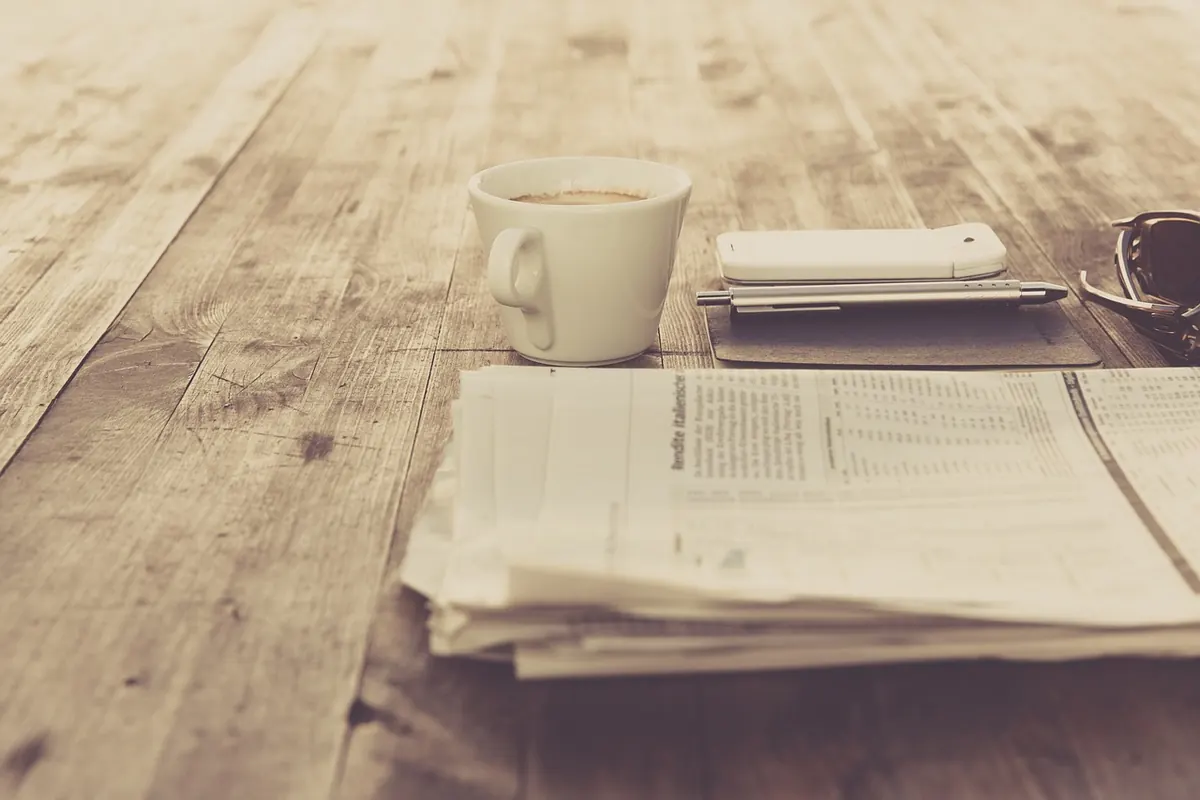
A weekend news ritual sounds almost old-fashioned: coffee, a few trusted pages, and a clear finish line. That is the point. The goal is not to read everything. It is to close the week with a usable sense of what happened, what it means for you, and what can wait until Monday. You do not need a dashboard, a stack of newsletters, or a new productivity system. You need a time box, a short source list, and a way to stop.
Pick a Time Box, Not a Goal
Most people fail at catching up because they set a goal with no edge: “get caught up.” There is always another tab, another update, another explainer. A time box fixes that. Choose thirty to sixty minutes on a Saturday or Sunday and put it in your calendar like a haircut. Morning works for some people; late afternoon works for others. What matters is that the slot is regular and finite.
If you have forty-five minutes, split it roughly: ten minutes to scan, twenty-five to read, ten to make a note and close. Set a timer. When it rings, stop even if a story is interesting. A missed weekend is not a debt to repay the next week; just pick up at the next slot. The ritual should feel like a container, not another inbox.
Choose a Small, Honest Source List
The fastest way to turn news into a chore is to follow too many places. A short list you trust beats a crowded feed you dread. Start with six or fewer sources and give each one a job:
- One general news source for the week’s main events.
- One local outlet for schools, transit, council meetings, and the stories that affect your street.
- One specialist source for your work, hobby, or a subject you follow closely.
- One analysis or explainer outlet that adds context rather than heat.
- One long-form or weekend magazine for the story you want to sit with.
Keep the list visible in a bookmarks folder or a note. If you add a source, remove one. Newsletters count, so cap them at two or three and unsubscribe from the ones you open out of guilt. Social feeds are designed to keep you moving; use them for tips, not as your primary reading list. An honest source separates news from opinion, corrects errors, and does not need to make you angry every time to keep your attention.
Read in Three Passes
A newspaper is not a book. Reading straight through is a recipe for fatigue. Try three passes instead:
- Scan. Spend eight to ten minutes on headlines, summaries, and opening paragraphs. Write down three to five stories that seem important, surprising, or directly relevant to you.
- Read. Spend twenty to twenty-five minutes on those stories only. Read the full article, not the comments. For an ongoing story, read the latest summary first, then one earlier explainer if you need the background.
- Close. Spend five minutes answering two questions in a sentence each: What changed this week? What should I watch next? Then close the tabs.
The second pass is where most people get lost. A story can be important without requiring your full attention. If you run out of time, move the leftovers to a parking lot, which is just a note for next weekend. Skip live blogs unless an event directly affects you; they are built for people who want to watch every minute, not for someone trying to understand the week.
Give Your Phone a Weekend Job
Doomscrolling is not a character flaw. It is a design feature. Your phone is very good at making the next headline feel urgent. Give it a different job during your ritual. Turn off news alerts on Friday evening, or at least mute them until your reading slot. Move news apps into a folder, log out, or delete the ones you can reach through a browser. Put the phone in another room while you read on a laptop or tablet. If you must use your phone, open the site in reader mode and keep one tab open.
This is not about purity. If you peek at a headline while waiting for tea, return to the container. The point is to stop the small, repeated checks that turn a five-minute update into an hour of fragments. A weekend ritual works best when the phone is a tool you pick up, not a current you swim in.
Keep a Tiny Log and a Parking Lot
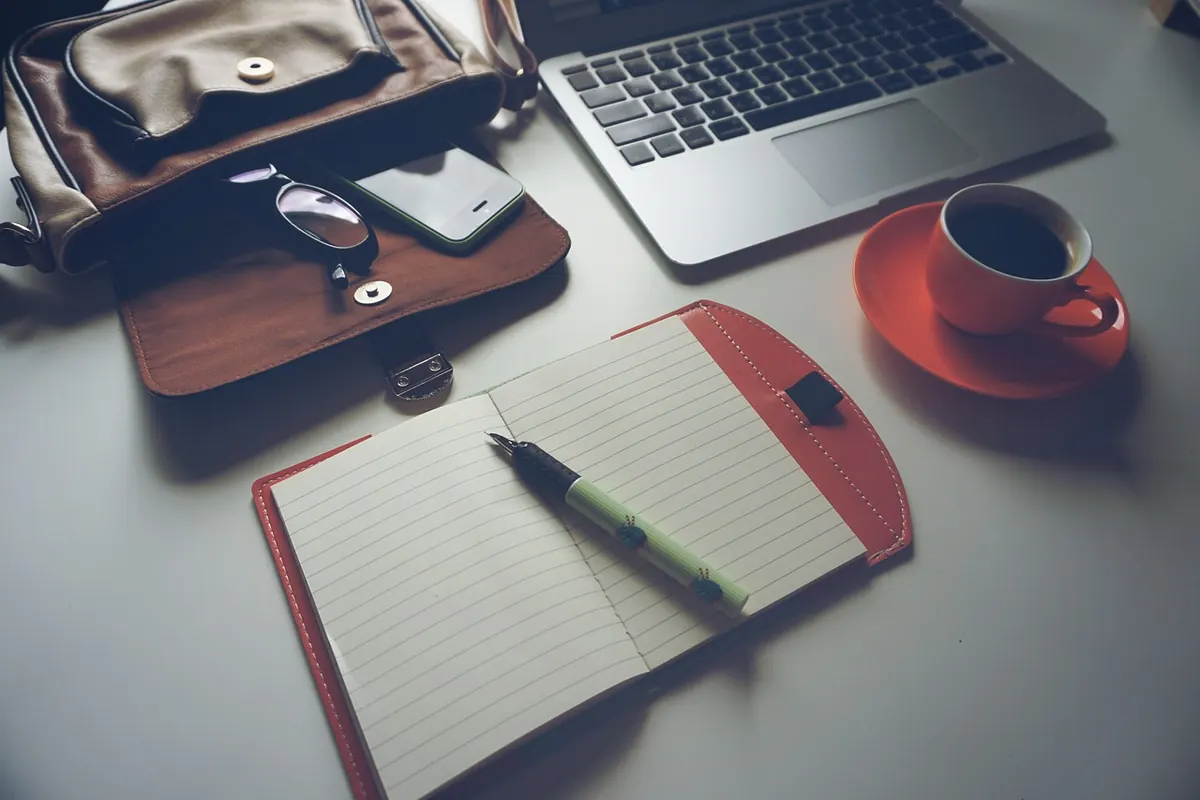
Use a notebook or a note on your computer, but keep it small. After each ritual, write the date, three headlines you want to remember, and one question you still have. That is enough. The log stops the week from blurring into a vague sense of dread. It also gives you something to review when a story returns.
Keep a separate “parking lot” for stories you want to follow but cannot read now. One line each: “Housing bill: what changes for renters?” or “Transit funding: vote next month.” Next weekend, open the parking lot before you scan. Most items will no longer matter; delete them without guilt. The few that still do become part of your reading list. This turns open-ended worry into a task with a time and a place.
Know When the Container Is Full
Breaking news is the exception, not the rule. If something major happens, give yourself one deliberate update, not a live feed. Read a summary from a source you trust, note what is confirmed and what is not, and close the tab. During a fast-moving event, early reports are often incomplete; waiting an hour can save you from misinformation and adrenaline.
Watch your body as well as your screen. If your shoulders rise and you keep refreshing, the ritual has stopped working. Close the laptop and do something offline. For stories about health, money, or legal rights, treat headlines as prompts, not instructions, and consult a qualified professional before acting. A good news habit includes knowing when you have enough to make a decision and when you simply need to stop.
Your First Weekend Ritual
Here is a simple way to start this weekend. Pick a forty-five-minute slot and put it in your calendar. Choose six sources and name the job each one does. Write the three passes on a card: scan, read, close. Mute news alerts and put your phone in another room. Keep a notebook nearby for three headlines and one question. When the timer rings, close the tabs and leave the rest for next week.
Adjust after two or three tries. Maybe Sunday evening suits you better than Saturday morning. Maybe you need ten more minutes for local news and less for national analysis. The details matter less than the shape: a regular time, a short list, a finite read, and a clean stop. That is how a weekend ritual becomes useful instead of another form of scrolling.
Photo: markusspiske / Pixabay